When people think about events in June around the world, they might picture summer festivals, outdoor concerts, or weddings. But for millions of Brazilians, June means something far more vibrant, nostalgic, and deeply rooted in culture: the Festas Juninas, Brazil’s most beloved Brazilian June festival. As a Brazilian living in the United States, I can say without hesitation: this is the celebration I miss the most. These colorful festivities fill towns, schools, and homes with music, dance, costumes, and most importantly, food. It’s a celebration of tradition, community, and joy. And for me, it’s also a vivid collection of childhood memories stitched together with family, food, and music.
The Origins and Importance of Brazil’s June Festival
Festas Juninas are a series of traditional Brazilian celebrations held throughout June, primarily in honor of three Catholic saints: Saint Anthony (June 13), Saint John the Baptist (June 24), and Saint Peter (June 29). These events were originally brought to Brazil by the Portuguese and have since evolved to reflect a unique blend of indigenous, Afro-Brazilian, and rural traditions that make this Brazilian June festival unlike any other.
The festivals also celebrate the countryside and the harvest season. People wear caipira (country-style) outfits and organize parties that joyfully reimagine rural community life, even in the heart of big cities.
Growing up in Brazil, I vividly remember the Festas Juninas at my school. Ironically, as a child, I didn’t enjoy them much. I was incredibly shy, and the idea of dancing quadrilha in front of a crowd was mortifying! Still, year after year, I participated, and my mother always made or customized my dresses with so much love. She was an excellent seamstress, and I think that’s where I got my passion for DIY and for customizing my own kids’ outfits in recent years.
One particular year in high school, the dance wasn’t quadrilha at all, we performed to a Shania Twain song, all dressed as cowboys. Funny enough, it reminds me of Texas culture now that I live here. It was a moment of unexpected cultural foreshadowing.
The Role of Schools in Festas Juninas
Schools across Brazil play a huge part in bringing Festas Juninas to life. Teachers and students spend weeks preparing dances, decorations, and games. The quadrilha, a traditional group dance with fun roleplay elements like a fake wedding and storytelling, is always the star of the show.
Children wear patched clothes, straw hats, and painted freckles, mimicking the caipira rural style. My sons went through this tradition in Brazil too, and just like my mother did for me, I customized their outfits every year. It became a little ritual I looked forward to choosing fabric, sewing patches, and preparing them for the party.
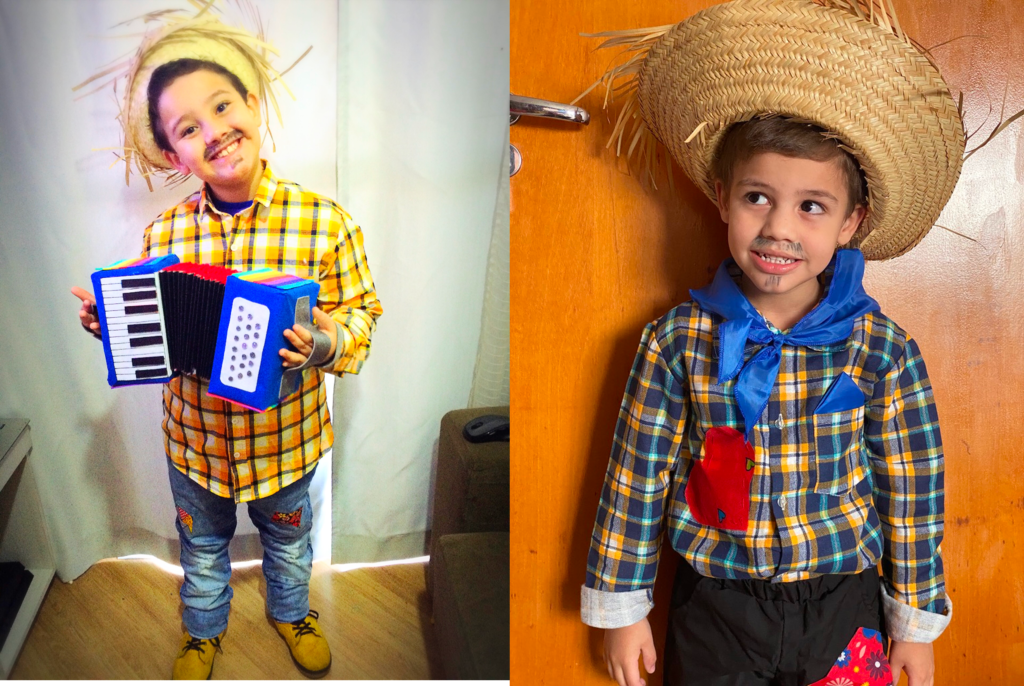
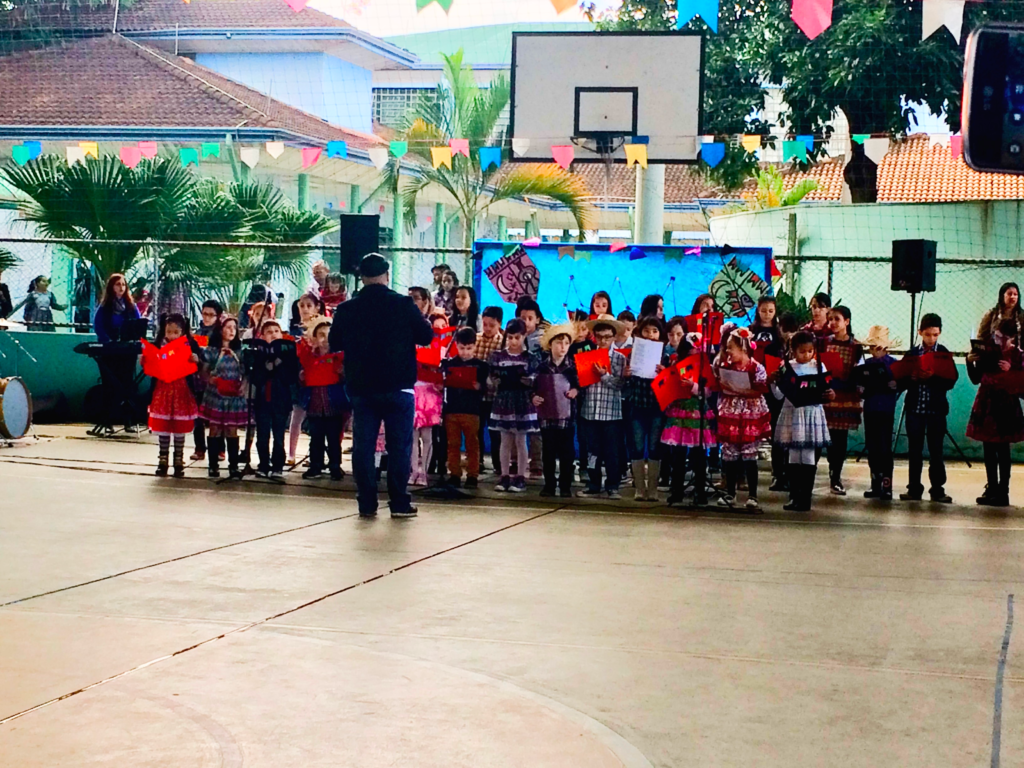
Schools are also filled with booths offering classic games like pescaria (fishing), ring toss, and sack races. It’s a time when the whole community, parents, teachers, and kids, comes together to celebrate.
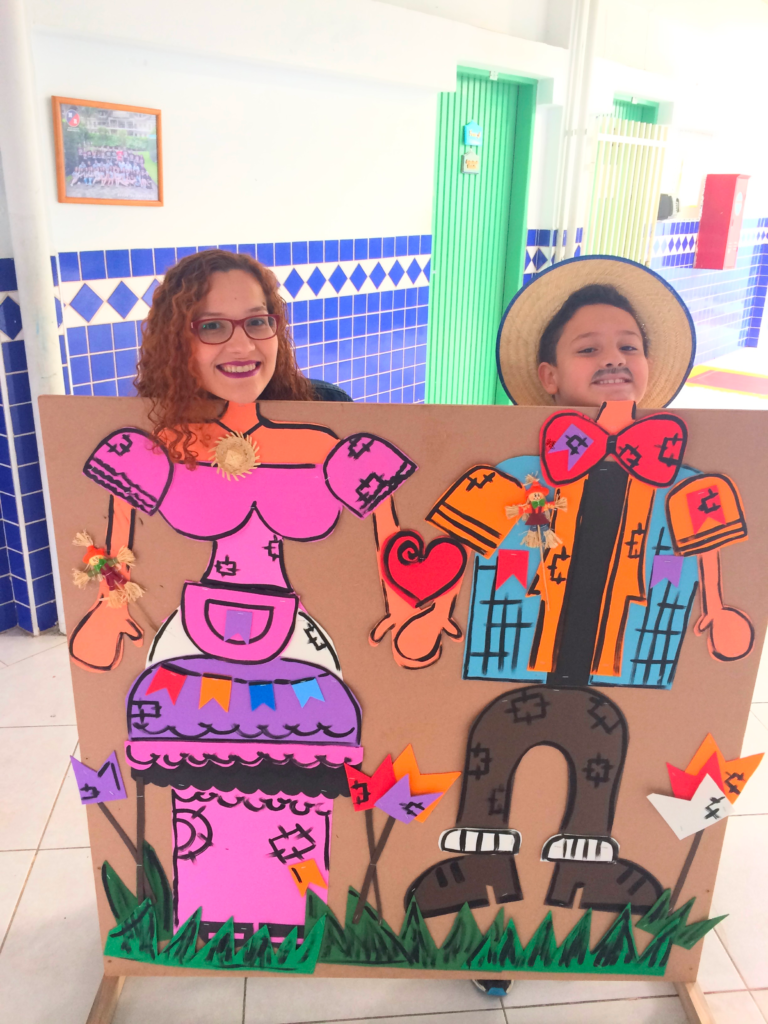
These school-based events in June are much more than fun performances. They are a way to pass down traditions, reinforce cultural identity, and strengthen community bonds from a very young age.
The Iconic Foods of Festas Juninas — Brazilian Recipes to Make at Home
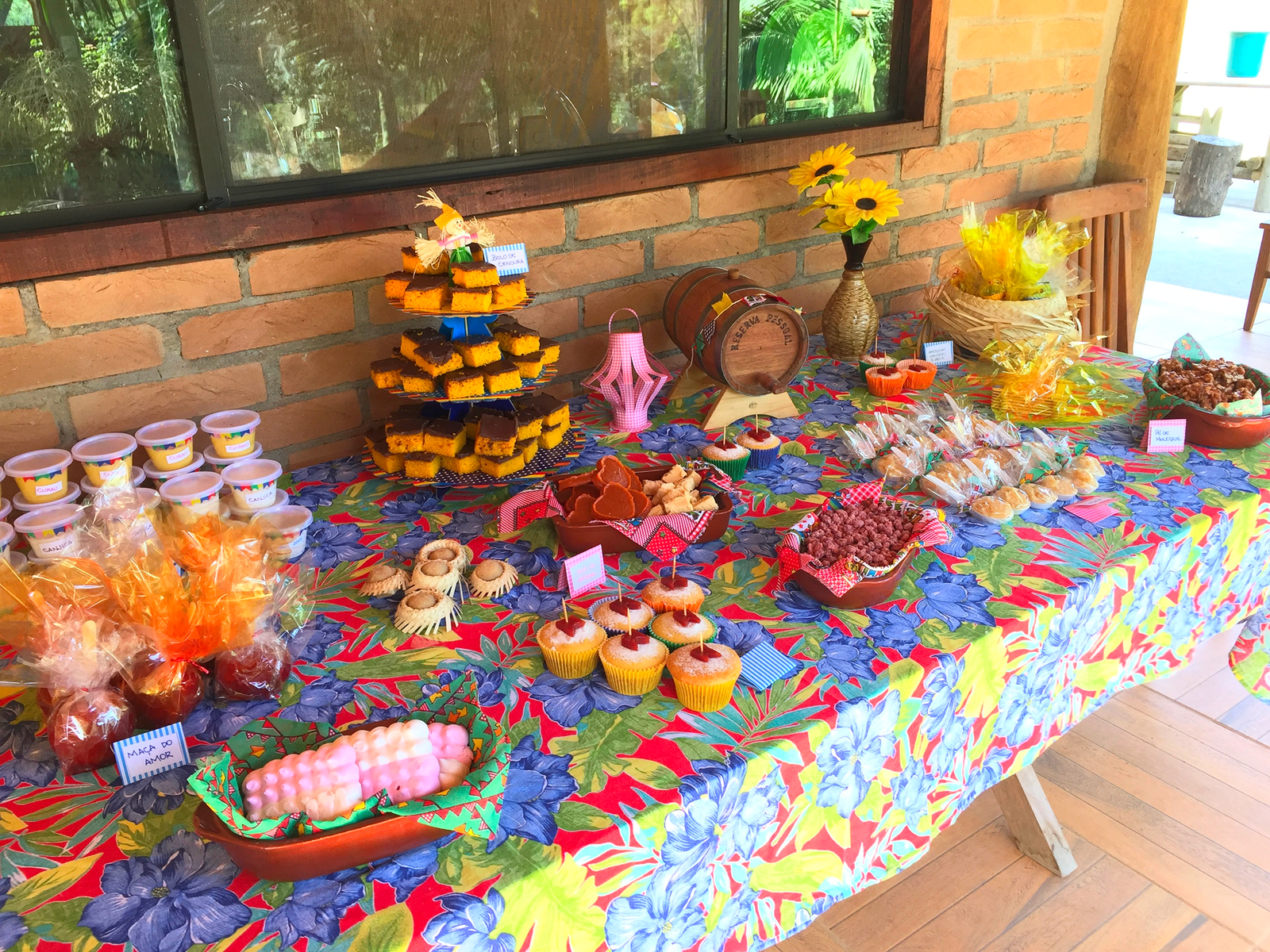
One of the most anticipated aspects of Festas Juninas is the food. This is where Brazilian food truly shines, comforting, rustic, and full of flavor. Every region of Brazil has its own culinary twist, but one ingredient unites them all: corn. Whether in the form of pamonha, canjica, curau, or bolo de milho, corn is the soul of the celebration.
Where I grew up, in São José dos Campos (São Paulo), there’s a very special dish I looked forward to every year, bolinho caipira. It’s a deep-fried dough made with coarse corn flour and stuffed with ground beef, though today you’ll find versions with chicken, cheese, or sausage. My mom has made this since I was little, and just thinking about it brings a lump to my throat. This is my second June in a row without it, and I really miss both the taste and the warmth it brings.
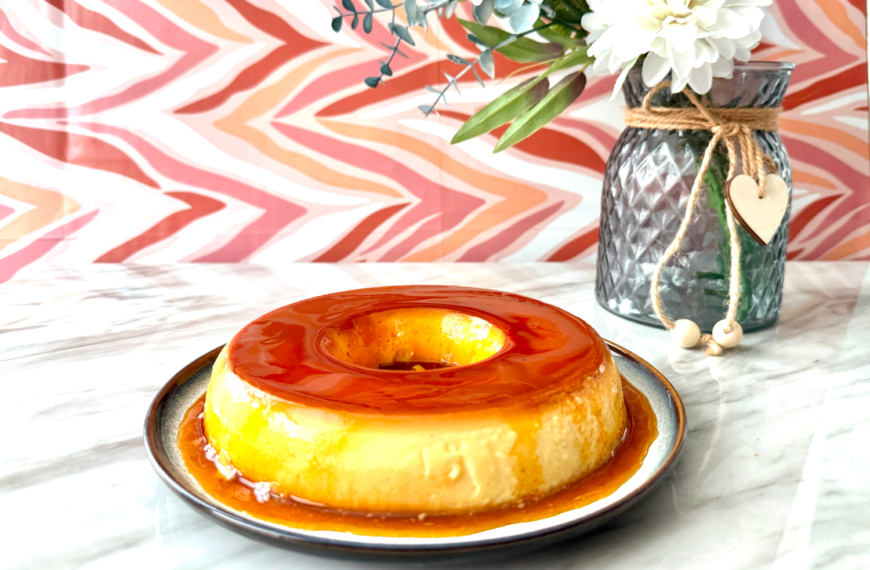
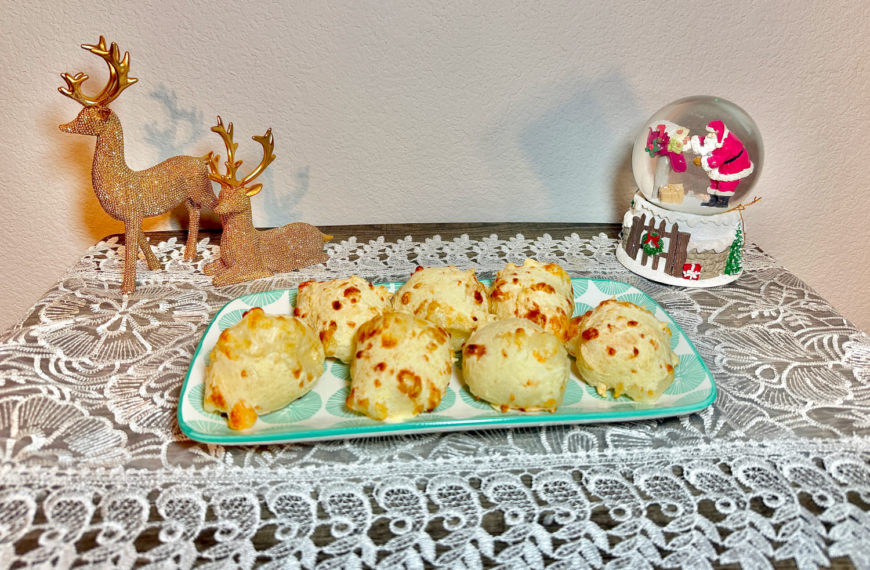
Here are the most iconic Brazilian recipes you can recreate at home to bring Festas Juninas to your table — and the ones I’ve made here in Texas:
Bolo de Milho (Brazilian Corn Cake)
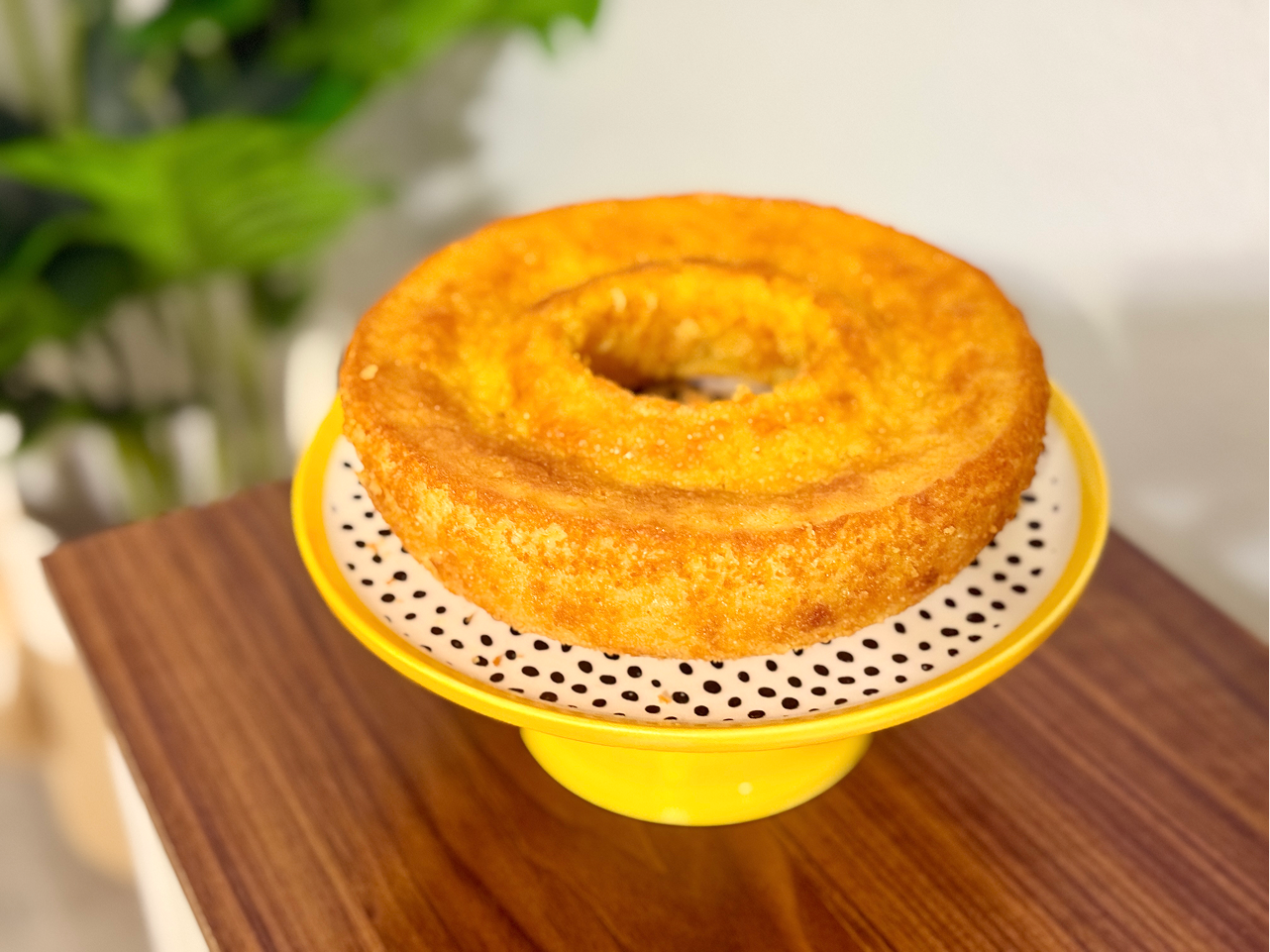
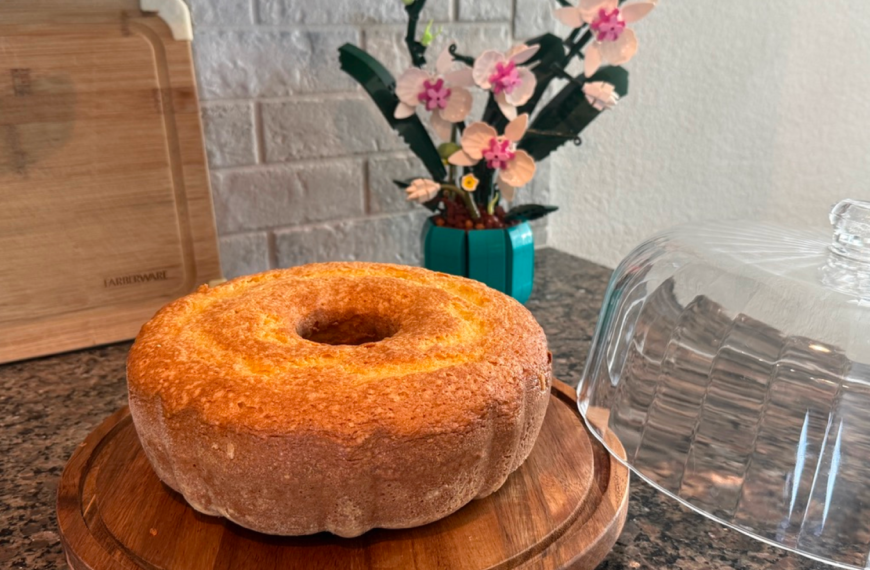
Soft, moist, and with a subtle sweetness — bolo de milho is probably the most iconic corn cake recipe of the June festival. Made with canned corn blended right into the batter, it comes together quickly and the whole house smells incredible. It’s one of the easiest Brazilian recipes to adapt with US ingredients.
Bolo de Fubá (Brazilian Cornmeal Cake)
A more rustic cousin of bolo de milho, bolo de fubá uses coarse cornmeal instead of whole corn. It has a denser, grainier texture that is absolutely addictive. Traditionally enjoyed with a cup of coffee, perfect for a lazy June afternoon.
Pé de Moleque (Brazilian Peanut Brittle)
One of the most beloved Brazilian food staples at any arraiá, pé de moleque is a crunchy peanut recipe made with roasted peanuts and caramelized sugar or rapadura (unrefined cane sugar). It’s the kind of treat you find wrapped in paper at every June festival booth. Easy to make, hard to stop eating.
Bolo de Cenoura com Brigadeiro (Brazilian Carrot Cake)
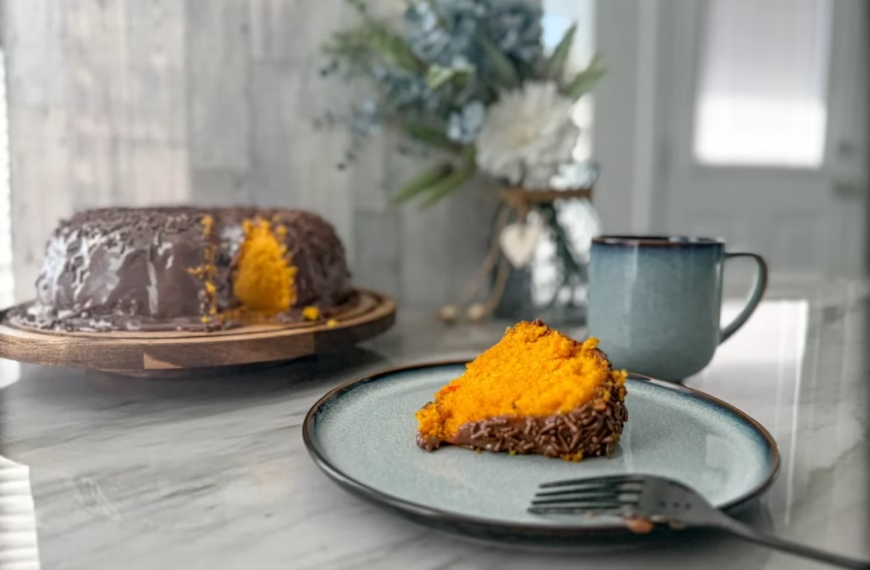
This one might surprise people, Brazilian carrot cake is nothing like the cream cheese-frosted American version. Ours is bright orange, incredibly moist, and topped with a thick layer of chocolate brigadeiro. While not exclusively a Festa Junina dish, it’s a classic at arraiás and one of the most beloved Brazilian recipes year-round.
Canjica (Sweet White Corn Pudding)
Creamy, warm, and fragrant with cinnamon and coconut milk — canjica is the ultimate comfort food of June. Made with dried white corn kernels slowly cooked until tender, it’s served warm in little cups and is a staple at every celebration. If you’ve never tried it, this is the Brazilian food experience you’re missing.
In addition to these, we always had arroz doce, curau, and milho cozido (corn on the cob). Speaking of which — the corn here in the US is much sweeter than what we have in Brazil. Back home, we boil it in salted water and serve it with butter and salt. Perfectly savory and delicious. Here I’ve had to adjust, but the love for the tradition remains the same.
Public Events in June: From Small Towns to Big Cities
Across Brazil, Festas Juninas range from small backyard parties to massive public festivals. Two of the most famous take place in the Northeast: Campina Grande (Paraíba) and Caruaru (Pernambuco). Each claims to host “the biggest São João in the world,” with live concerts, bonfires, colorful parades, and forró dancing that lasts for weeks.
In smaller towns and neighborhoods, streets are lined with paper flags, homemade food stands, and cheerful music. In cities like São Paulo and Rio de Janeiro, churches, schools, and community centers host arraiás — complete with games, raffles, and live forró bands.
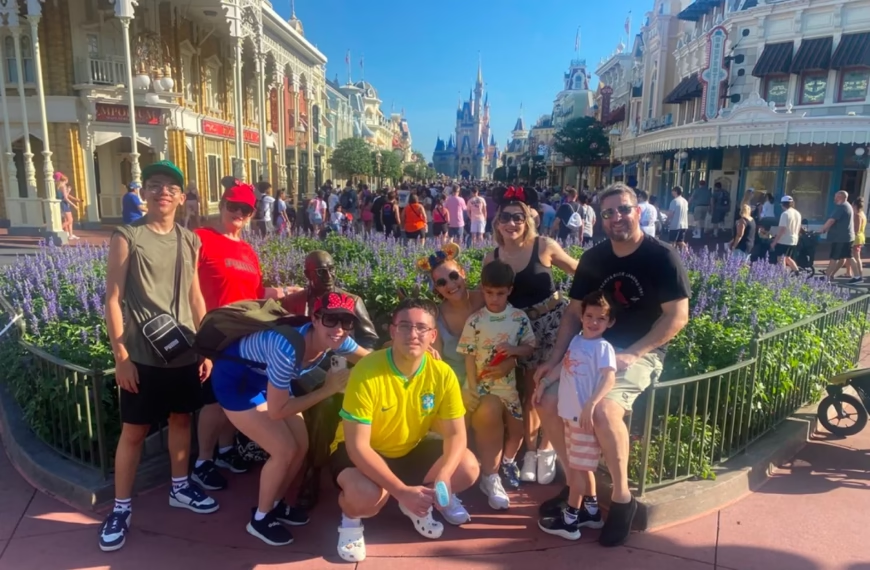
Since moving to Texas, I haven’t been able to attend a Festa Junina nearby. There is a Brazilian community celebration about an hour and twenty minutes away, but it’s hard to manage with two kids and work. So instead, I bring the celebration home — a small decoration, the food I can make, and forró playing in the background. It’s not the same, but it keeps the memory alive for my boys.
The Bonfire: A Warm Symbol of Events in June
One of the most iconic elements of Festas Juninas is the bonfire. In almost every celebration — whether a small backyard party or a large public festival — you’ll find a fire burning at the center of the gathering. Traditionally lit in honor of Saint John the Baptist, the bonfire symbolizes light, warmth, and protection. It’s also the place where people dance, chat, and roast corn or sausages.
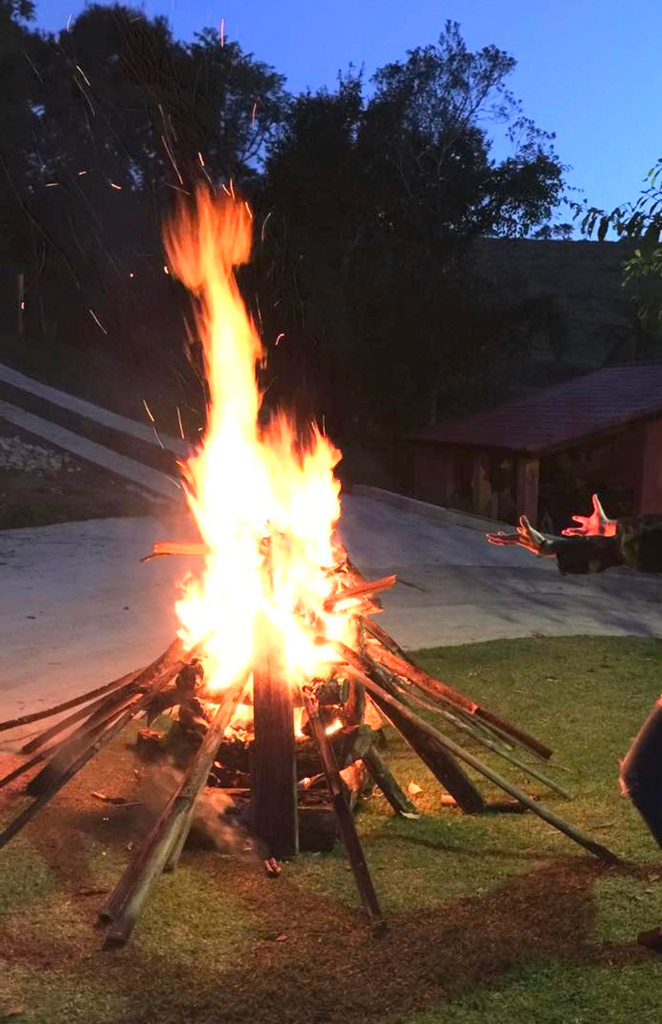
As a child, I remember the excitement of being near the fire. There’s even a famous Brazilian folk song — “Pula a fogueira, iaiá! Pula a fogueira, ioiô!” — which means “Jump over the bonfire, girl! Jump over the bonfire, boy!” Today people are more cautious, but the image of kids dancing around the flames is one of the most cherished parts of any June memory.
Here in the US, fire regulations and climate differences make it harder to recreate that feeling. But just lighting a candle and putting on a forró playlist can bring back that magical warmth.
Personal Memories and the Feeling of “Saudade”
Of all the events in June, none trigger such deep nostalgia in me as Festa Junina. It’s the smells, the songs, the laughter, the food, and the costumes — all rolled into one. There’s something so comforting about a tradition that involves so many senses at once.
I remember the quadrilha music — songs by Trio Nordestino and Dominguinhos filling the schoolyard while kids danced in circles. I still feel that joy whenever I hear a forró melody. And the photos from those years — me with pigtails, freckles drawn with eyeliner, and a frilly dress — always make me laugh.
Living abroad makes these memories even more precious. They’re part of who I am and how I raise my kids. Even thousands of miles from Brazil, I want them to understand the magic of Festas Juninas.
How to Celebrate Festas Juninas Abroad
For Brazilians abroad—or anyone who wants to experience this cultural gem—you can absolutely recreate a Festa Junina at home. Start small: hang up colored flags, play forró, and invite friends for a homemade arraiá.
Meanwhile, try simple recipes like bolo de fubá, canjica, or even hot dogs (which are also part of our arraiás). For kids, you can organize games like the fishing game or sack races. And if you like crafting, making fake bonfires with paper is a fun family activity.
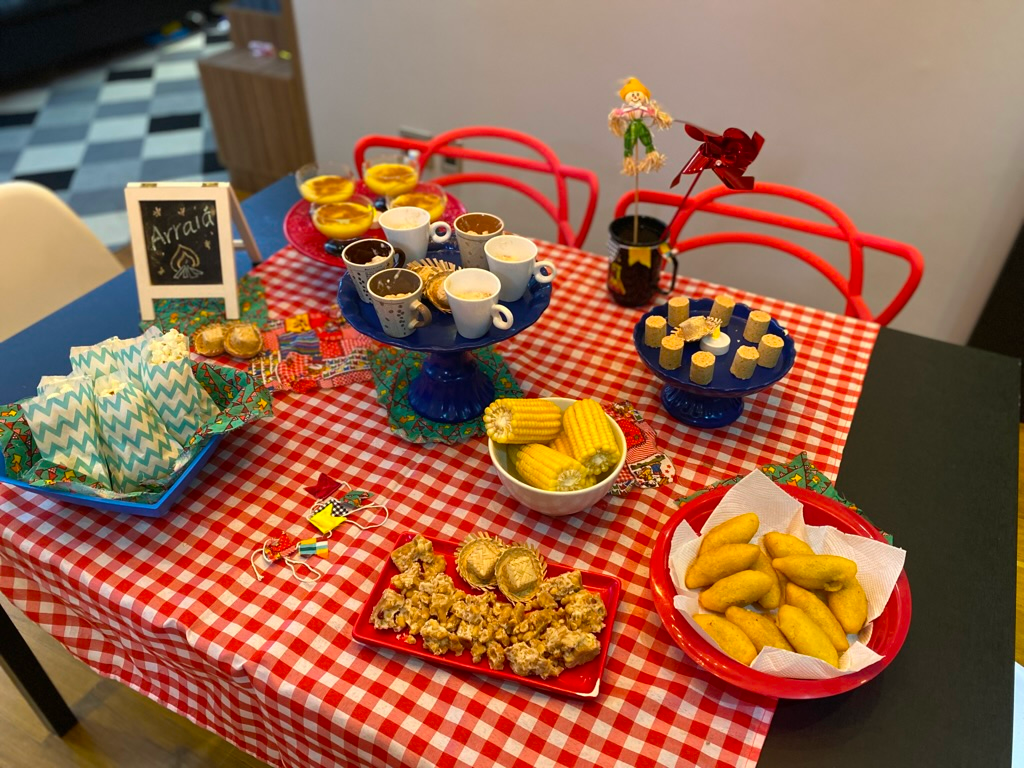
In addition, you might find Brazilian communities in your area organizing something more traditional. Even if it’s far, attending just once can fill your heart for the rest of the year.
Conclusion: Why Events in June Matter
Events in June vary around the world, but few carry the emotional weight of Brazil’s Festas Juninas. They are rooted in tradition, memory, and community, and they pass something essential from one generation to the next.
For immigrants like me, they are also a way of staying connected to home, to family, and to the parts of our identity we never want to lose. As I bake a corn cake recipe, make pé de moleque with my kids, or tell them about quadrilha, I know I’m keeping something beautiful alive — even thousands of miles away.
If you’ve never experienced a Brazilian June festival, I hope this piece gives you a glimpse of just how magical it truly is. And if you have, I hope it brought back a wave of saudade too. 🌽❤️