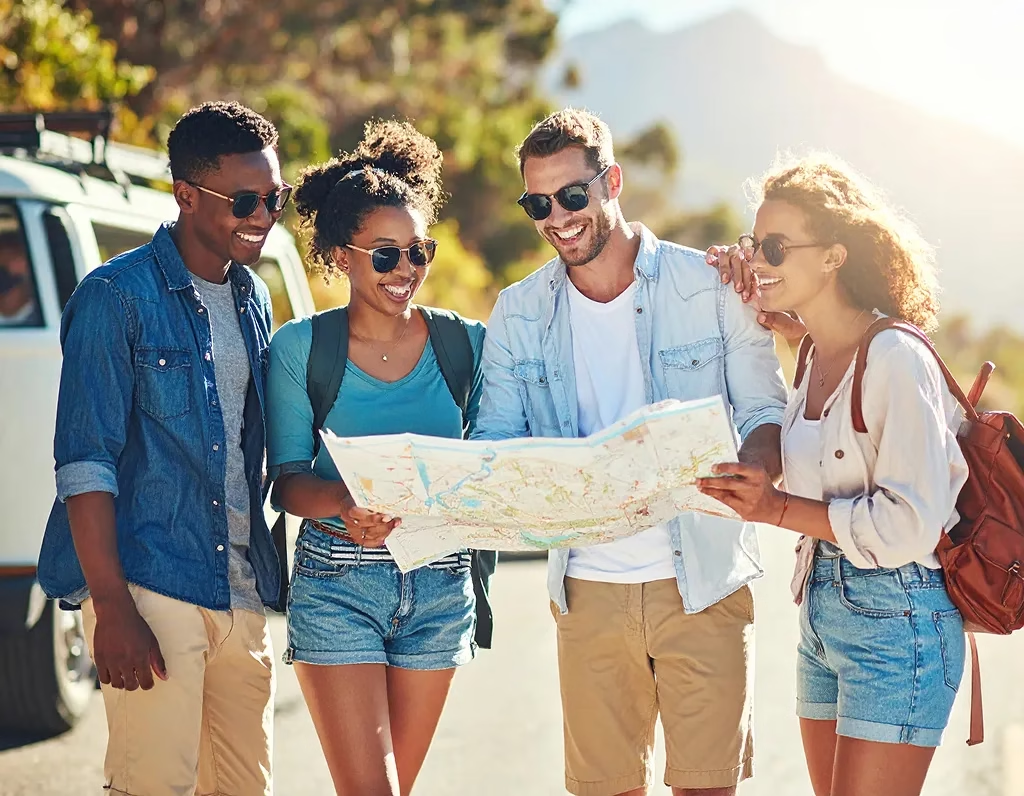
When I first started to plan trip with friends, I realized that organizing a group adventure can be one of the most exciting — and sometimes, challenging — experiences. Over the years, I’ve learned how important it is to align expectations, choose the right travel buddies, organize a detailed itinerary, and manage shared expenses fairly. Meanwhile, technology has made this process so much easier, especially with modern trip planner apps and route planners that keep everyone on the same page.
I’ve traveled with friends many times, and while each trip has its unique memories, I’ve also faced misunderstandings, scheduling chaos, and even budget issues. However, each experience taught me valuable lessons about communication, organization, and flexibility. In this guide, I’ll share my best tips to make your next group trip smoother, more fun, and unforgettable.
1. Talk About Expectations Before You Start to Plan Trip with Friends
The first step to successfully plan trip with friends is setting clear expectations. Each person has a different travel style — some love early mornings exploring museums, while others prefer lazy afternoons at cafés. Before booking anything, I like to organize a video call or a casual dinner to talk about everyone’s priorities.
For example, during my last group trip to San Antonio, one friend wanted to visit historical landmarks, another was all about food, and I was excited for some outdoor time by the river. We decided to balance it all by dedicating one day to each person’s main interest. Meanwhile, we used a shared Google Doc to write ideas and links, so no one felt left out.
Communication is key. Discuss budget, accommodation preferences, meal habits, and comfort levels with activities. It might feel awkward at first, but it prevents bigger issues later. In addition, setting these boundaries early helps ensure that everyone has a great time — not just the planners.
2. Choose the Right Travel Buddy and Define Roles
Finding the perfect travel buddy can make or break a trip. I’ve had both: trips where my friend and I were in perfect sync, and others where we couldn’t agree on a single restaurant. The key is to travel with people who complement your personality, not necessarily those who are identical to you.
If you’re the organized one, pair up with someone more spontaneous to keep things balanced. On the other hand, if you’re more go-with-the-flow, traveling with someone detail-oriented can help you stay on track.
Once the group is defined, assign simple roles: one person manages accommodation, another handles transportation, and someone else tracks expenses. Meanwhile, I like to use the app Splitwise to divide costs easily — everyone just inputs what they paid, and it calculates who owes whom. It keeps things transparent and drama-free.
A fun trick I learned: always create a shared WhatsApp or Telegram group where you can post updates, ticket confirmations, or even memes related to the trip. It builds excitement and keeps everyone engaged!
3. Use a Trip Planner App or Route Planner to Stay Organized
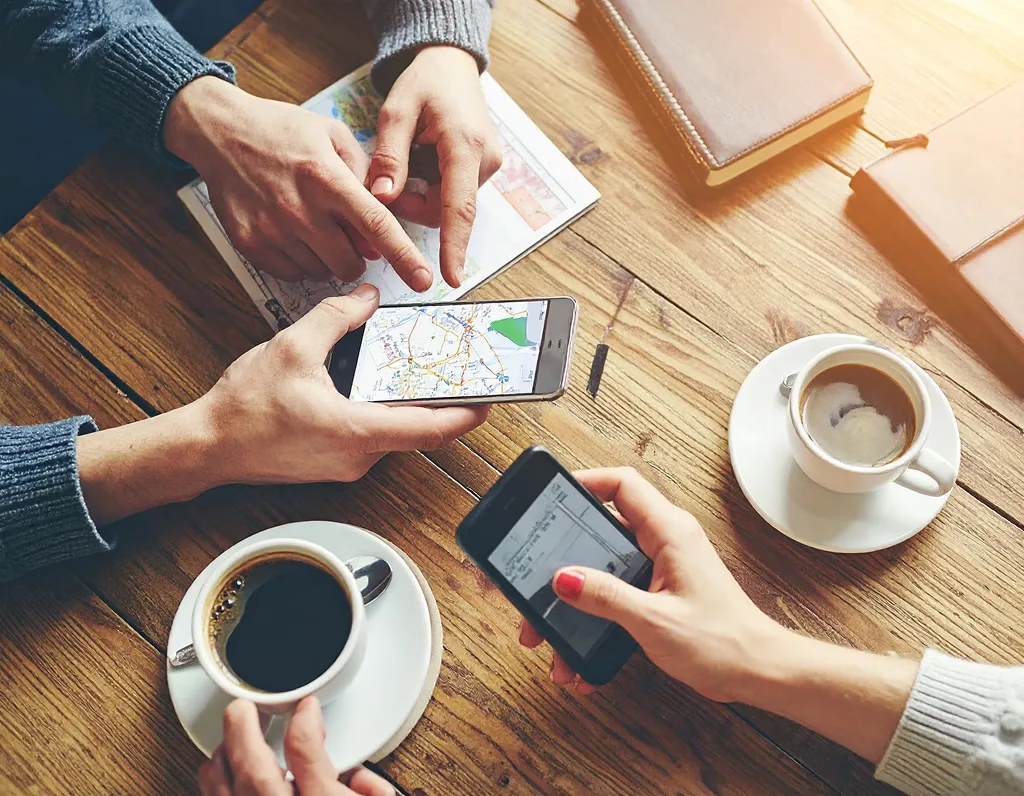
One of my favorite parts of planning is using a trip planner app or route planner to visualize the whole journey. Apps like TripIt, Wanderlog, or Roadtrippers allow you to create day-by-day itineraries, add stops, and share them with your group.
When I traveled through Europe with friends, for example, we used Wanderlog to plan transportation between cities. It automatically suggested routes, accommodation options, and activities based on our preferences. Meanwhile, we could see real-time updates whenever someone changed a plan.
If you prefer something simpler, a shared spreadsheet works just as well. I often create a Google Sheet with tabs for:
- Flights & Hotels
- Daily Itinerary
- Budget & Expenses
- Important Notes (like emergency contacts or tickets)
Having everything in one place avoids confusion and helps even the least organized friend stay on track. Plus, it’s accessible anywhere — from your phone at the airport to your laptop at the hotel.
4. Balance Activities and Downtime for plan trip with friends
When you plan trip with friends, it’s tempting to fill every minute with activities. But one of the biggest lessons I’ve learned is the value of leaving some free time. Not everyone has the same energy levels or interests, and forcing group activities all the time can cause unnecessary tension.
For example, during a trip to Austin, I scheduled only one major activity per day — a morning tour, a lunch spot, or an evening concert. Meanwhile, the afternoons were free for each person to do whatever they wanted: some went shopping, others rested at the hotel. Later, we’d meet for dinner and share stories about our day.
This mix of structure and flexibility makes the trip flow naturally. It also prevents the dreaded “travel burnout” — when everyone is too tired to enjoy the destination.
5. Managing Expenses Without the Stress
Money can be a sensitive topic, even among close friends. However, it’s one of the most important aspects when you plan a trip together. My golden rule is transparency from the start. Before booking, we agree on an approximate budget range and define how we’ll split major costs (like accommodation or car rental).
In addition, I recommend:
- Using Splitwise or Tricount for shared expenses.
- Having a group “travel fund” for things like snacks, tips, or parking.
- Keeping receipts and taking quick photos for record.
- Using a currency converter app when traveling abroad to avoid confusion.
Meanwhile, for those who prefer spreadsheets, you can create one tab for each spending category: accommodation, food, activities, transportation, and extras. It’s not just about control — it helps you understand where your money goes and plan better for the next trip.
6. Keeping Everyone Updated when plan trip with friends using Apps and Tools
Technology is your best friend during group trips. With so many great tools available, staying organized has never been easier. Besides trip planner apps, I love using:
- Google Maps for live location sharing.
- WhatsApp groups for fast communication.
- Trello or Notion boards for collaborative checklists.
- Google Drive or Dropbox for storing tickets and documents.
Meanwhile, I also recommend setting one “trip leader” each day. This person ensures that everyone knows the plan and coordinates logistics. It’s a fun way to share responsibility — and it makes everyone feel involved.
If you want to go further, use a route planner to map scenic drives, stops, or even gas stations. It saves time and avoids unnecessary detours. My friends and I used this method on a Texas road trip — we planned everything from Fort Worth to San Antonio and discovered amazing stops along the way, like the famous Buc-ee’s gas station!
7. Capture and Share Memories
After all the planning, the best part of a trip is, of course, the memories. But even that benefits from organization! Before leaving, decide how you’ll share photos and videos — for example, create a shared Google Photos album or a private Instagram account just for your group.
Meanwhile, if you enjoy journaling, bring a small notebook to write quick notes about the places you visit. I love doing this — sometimes I forget details like the name of a restaurant or a funny moment that happened on the road, but when I read it later, it brings everything back.
In addition, encourage everyone to contribute. Each travel buddy can add their favorite moments, making it a collective story. At the end, you can even design a digital photo book — it’s a great way to relive the adventure once you’re back home.

8. Be Flexible — and Embrace the Unexpected
No matter how perfectly you plan trip with friends, something will go wrong — and that’s okay! Flights get delayed, restaurants close, or weather changes plans. The secret is to keep a positive mindset and treat these moments as part of the adventure.
For example, once our planned boat ride in Florida was canceled because of a storm. Instead, we found a small local café nearby, played cards, and laughed for hours. It became one of our favorite memories from the trip!
Meanwhile, being flexible doesn’t mean being disorganized — it’s about adapting gracefully. As long as you communicate and stay kind to each other, even a small change can lead to big discoveries.
9. After the Trip: Reflect and Plan the Next One
Once the trip is over, don’t just move on — take a few minutes to reflect. I like to gather my friends for a short online call or group chat to talk about what worked and what didn’t. Which apps were most helpful? Was the budget fair? Did the itinerary feel balanced?
In addition, you can start planning your next adventure right away. Use the same trip planner app, but this time, include everything you learned. Maybe next time you’ll choose a different route planner, add more free time, or assign new roles to your travel buddies.
Each trip teaches you something new — about the world, your friends, and yourself.
Conclusion: Friendship and Planning Go Hand in Hand
To plan trip with friends successfully, it’s not just about logistics — it’s about connection. Communication, trust, and flexibility are the real foundations of a great journey. With the right mix of structure and spontaneity, the right tools, and a spirit of collaboration, your next group adventure will be full of laughter, discoveries, and memories you’ll cherish forever.
So, open your favorite trip planner app, invite your best travel buddies, and start building the perfect itinerary today. Meanwhile, don’t forget: the journey is just as important as the destination.
👉 Ready for your next adventure? Don’t miss my article 10 Smart Ways to Pack a Carry-On Without Stress for easy and efficient packing tips!